What Is an AI Agent for Business?
An AI agent is more than a chatbot. It holds a real conversation, makes decisions, takes action, and updates your systems — here is what that means in practice.
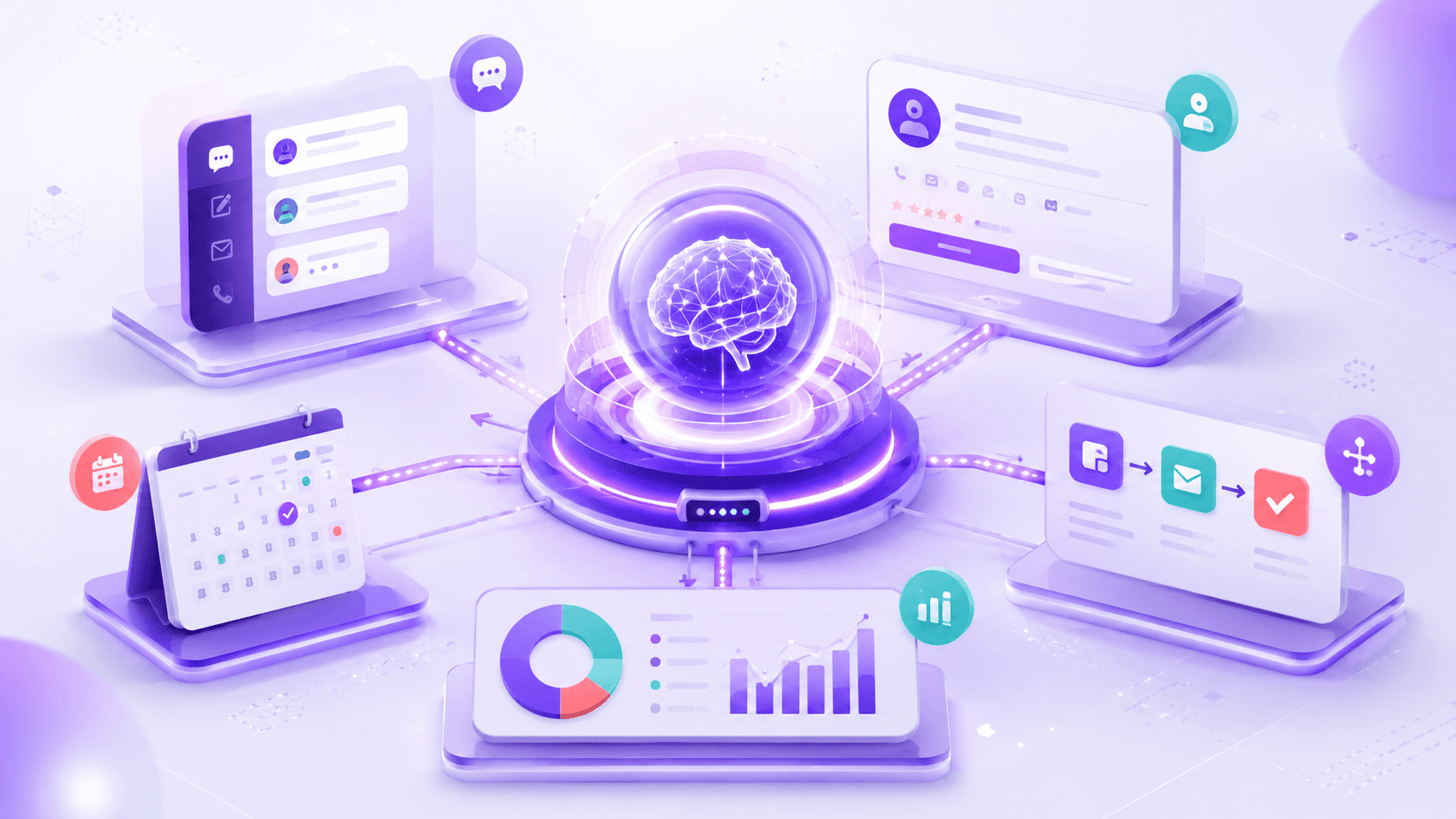
“AI agent” has become one of those phrases that means everything and nothing. For a business owner trying to decide where to spend time and budget, that vagueness is expensive. So let's be concrete: an AI agent is software that can understand a request in natural language, decide what to do about it, take the action, and record the result — without a person driving each step.
What an AI agent actually is
Think of an agent as a capable assistant with three things a basic bot doesn't have: context, judgment, and access. Context means it knows your services, prices, hours, and tone. Judgment means it can ask a follow-up question instead of guessing. Access means it can actually do something — check a calendar, book a slot, update a contact — not just talk about it.
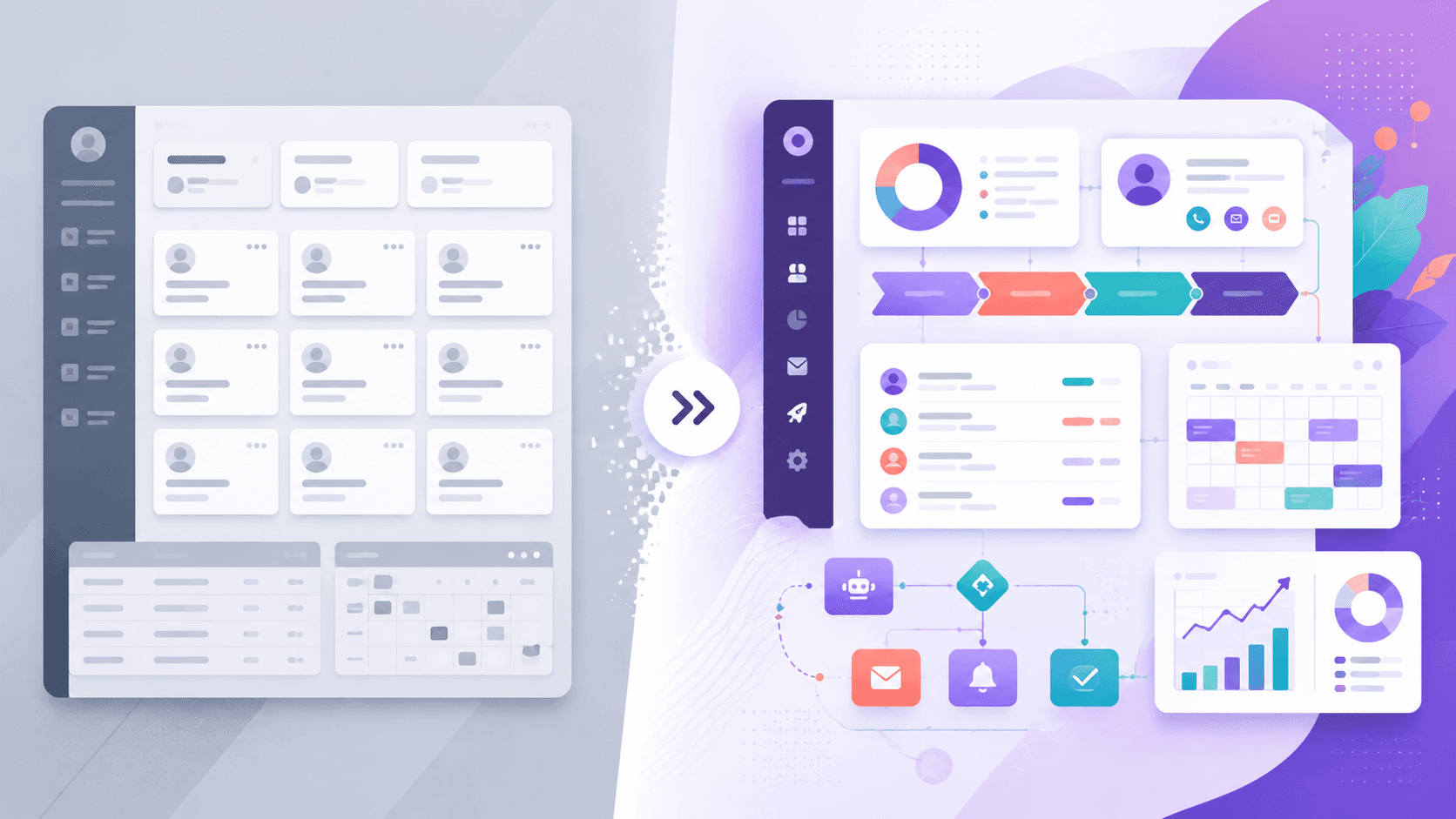
How it differs from a regular chatbot
A scripted chatbot
- Follows a fixed decision tree
- Breaks when a question is phrased differently
- Hands everything to a human
- Can't take action in your systems
An AI agent
- Understands intent in free text
- Asks a clarifying question when unsure
- Resolves routine requests on its own
- Books, updates, and follows up automatically
The practical difference shows up in a real conversation. A scripted bot offers buttons; an agent has a conversation and ends it with something done.
What it does day to day
- Answers inbound questions instantly, in your business's voice.
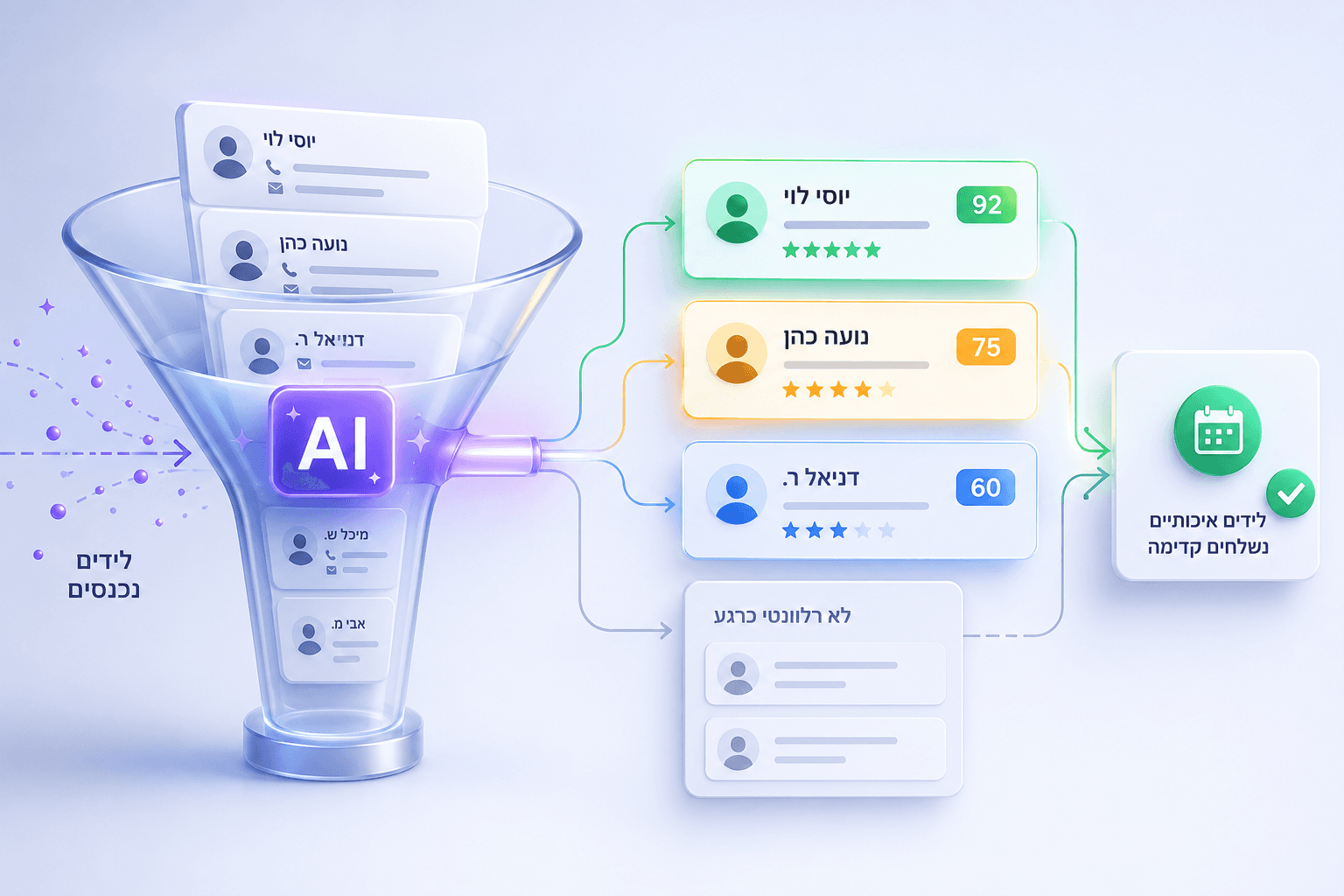
- Qualifies leads by asking the few questions that actually matter.
- Books meetings against a live calendar and avoids double-booking.
- Updates the CRM so every conversation leaves a record.
- Follows up with people who went quiet, at the right interval.
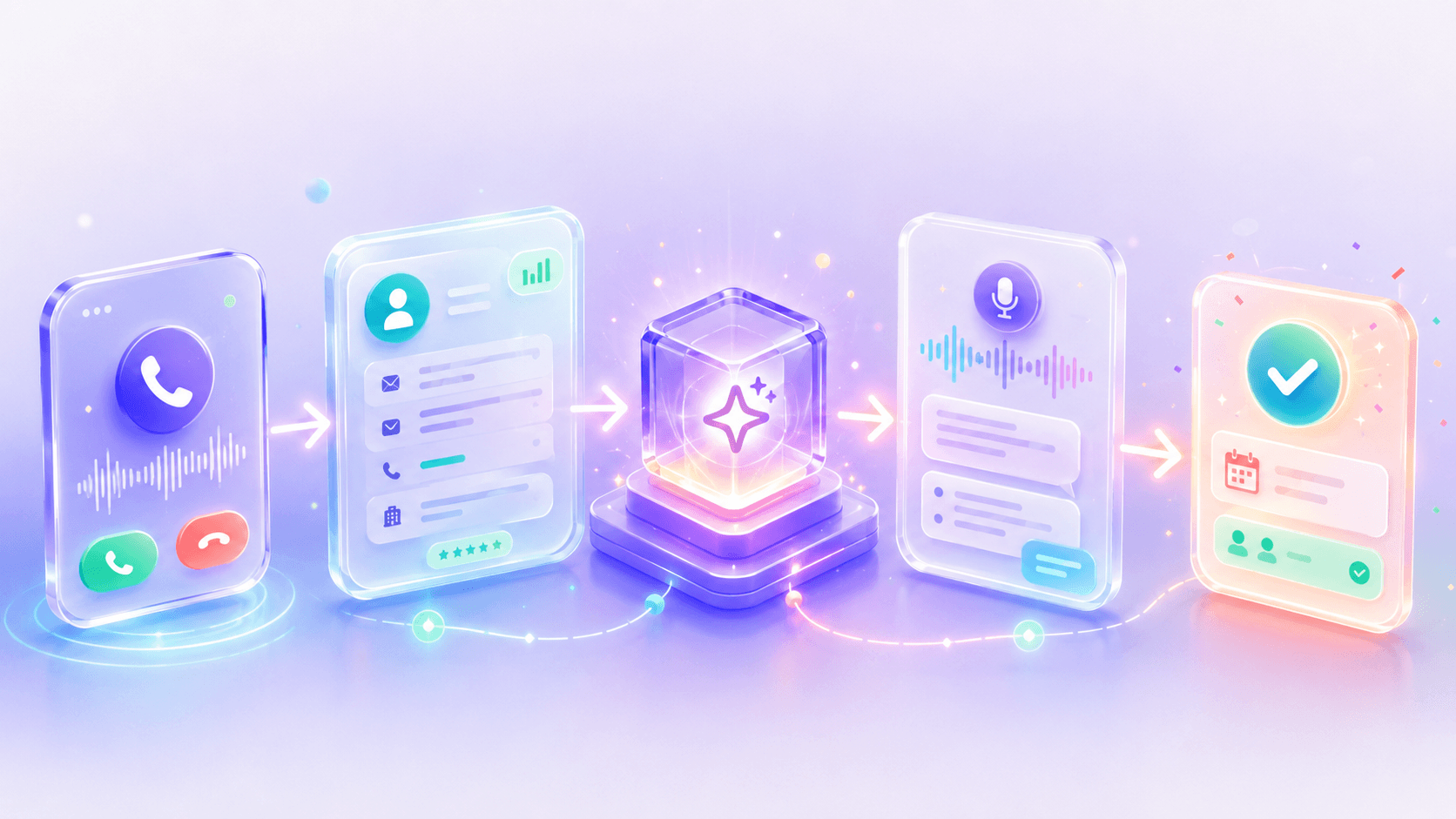
A typical agent loop
Where it creates value
The value isn't “AI” — it's speed and consistency applied to work that humans do well but can't do at 2am or while serving another customer. The first reply lands in seconds, every lead gets the same qualifying questions, nothing is forgotten, and your team spends its hours on the conversations that need a human.
A useful test
If a task is repetitive, follows roughly the same shape every time, and mostly involves moving information between a conversation and a system — it's a strong candidate for an agent. The judgement-heavy, relationship-heavy work should stay with your team.
When a business is ready for one
You don't need a huge operation. If you're losing leads to slow replies, repeating the same answers all day, or spending evenings on reminders and follow-ups, an agent will pay for itself quickly. The right starting point is usually one channel and one outcome — for most service businesses, that's inbound messages turning into booked meetings.
Want to see how this would work in your business?
We'll map the highest-impact agent for your operation — what to automate first, how it connects, and what changes day to day.
Book a consultation